

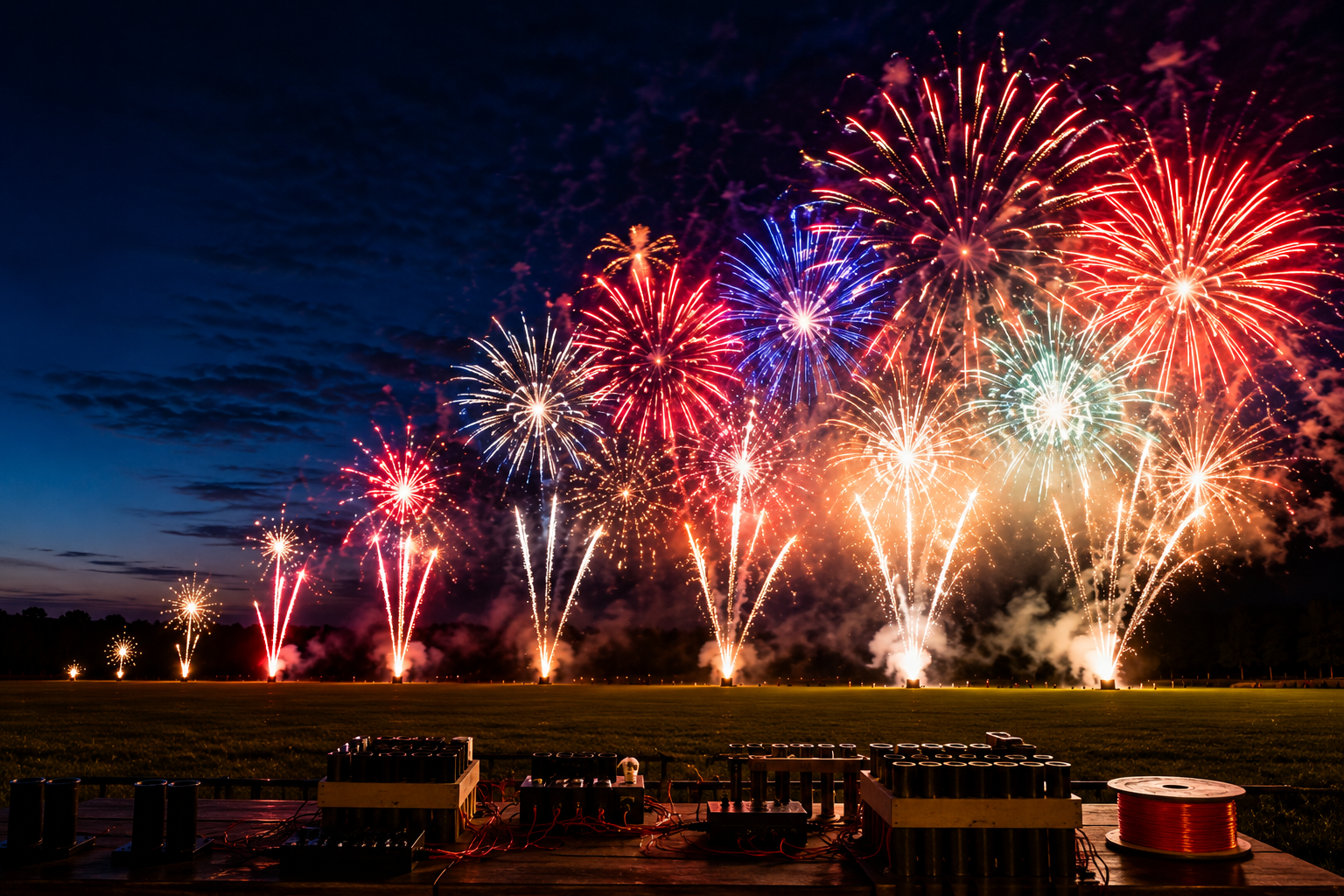
Everybody wants the big ending.
The problem is most backyard shows accidentally peak halfway through, then spend the rest of the night trying to recover from it with panic-lighting and leftover artillery shells.
That’s where firework finale timing changes everything.
A great finale is not about dumping the biggest fireworks into one giant pile and hoping freedom happens. The shows people actually remember usually have one thing in common: pacing. The intensity builds gradually, the timing gets tighter, and the ending feels intentional instead of accidental.
The good news is you do not need a professional setup to pull that off. You just need smarter timing, better transitions, and the right fuse speeds.
What Makes a Finale Feel Huge?
Most people think a finale feels big because it is loud.
That helps, sure. But what really creates that “whoa” moment is acceleration.
Professional shows build energy in layers:
- shorter gaps between effects
- overlapping breaks
- increasing noise and sky coverage
- faster pacing as the finale approaches
That pacing shift tells the audience something big is coming before the actual finale even starts.
If you are learning how to build a firework show, this is one of the biggest mindset changes to understand. A finale should feel like momentum, not randomness.
You do not necessarily need more fireworks. You need better sequencing.
The Biggest Finale Mistake Backyard Shooters Make
The most common mistake is firing the best stuff too early.
Everyone gets excited. The crowd is cheering. Somebody says, “Light the good one.”
Next thing you know, the finale cake is gone at 9:17 p.m., and the rest of the show feels like leftovers.
The second biggest mistake is leaving too much dead space between effects. Long pauses kill momentum fast. Even powerful fireworks feel smaller when they are isolated.
Then there is fuse selection.
Using the wrong fuse speed can completely throw off your timing. Slow fuse in a rapid-fire section drags the energy down. Extremely fast fuse in slower sections can make the pacing feel chaotic too early.
Part of choosing the best fuse for fireworks is understanding what kind of moment you are trying to create.
Build Your Finale in “Intensity Layers”
One of the easiest ways to improve your firework finale timing is to stop thinking about the finale as one single event.
Think of it more like waves.
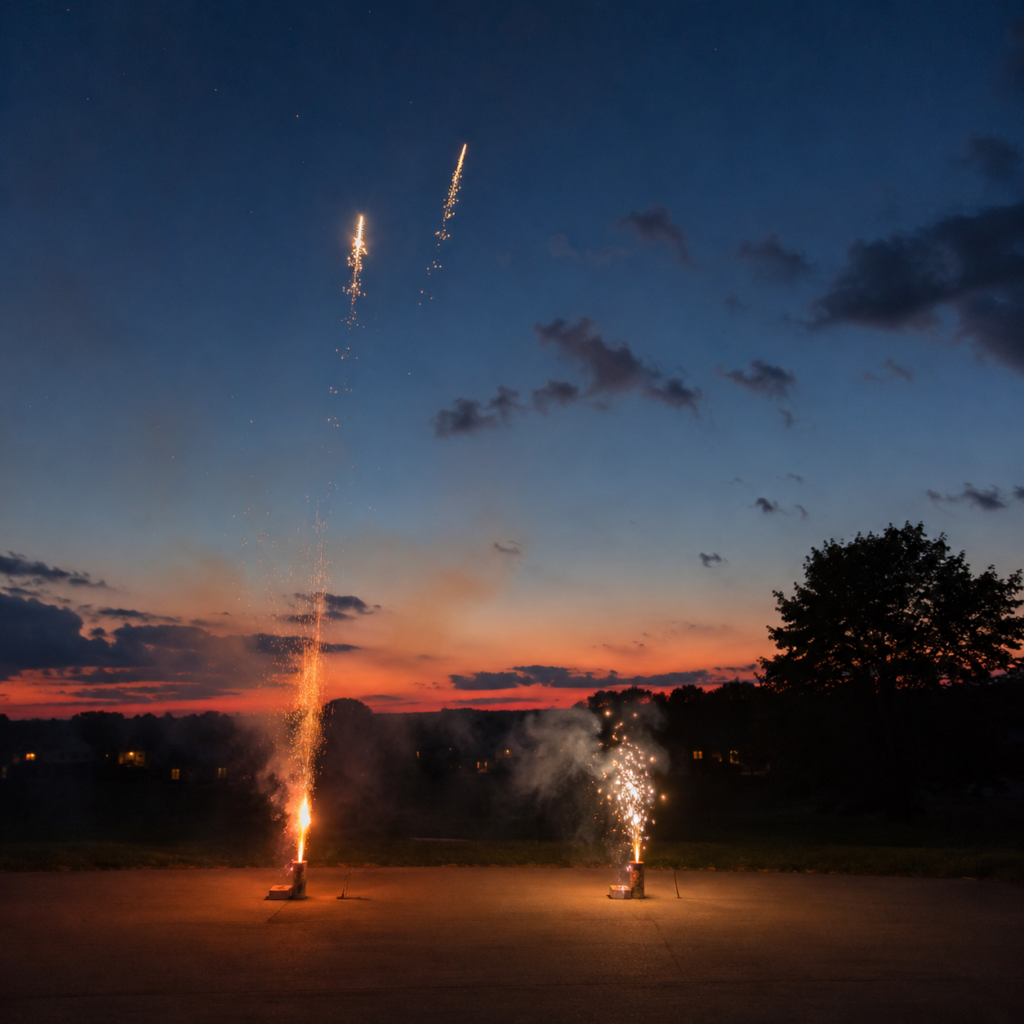
Layer 1: The Signal
This is where the audience realizes the show is building toward something bigger.
The pacing tightens slightly. Effects get larger. Noise increases a bit.
You are not trying to go full chaos yet. You are creating anticipation.
Layer 2: The Acceleration
Now the gaps between effects get shorter.
You can begin overlapping shots slightly or running multiple pieces closer together. This is where a medium-speed fuse setup can really help maintain rhythm without feeling rushed.
The crowd should feel the pace changing.
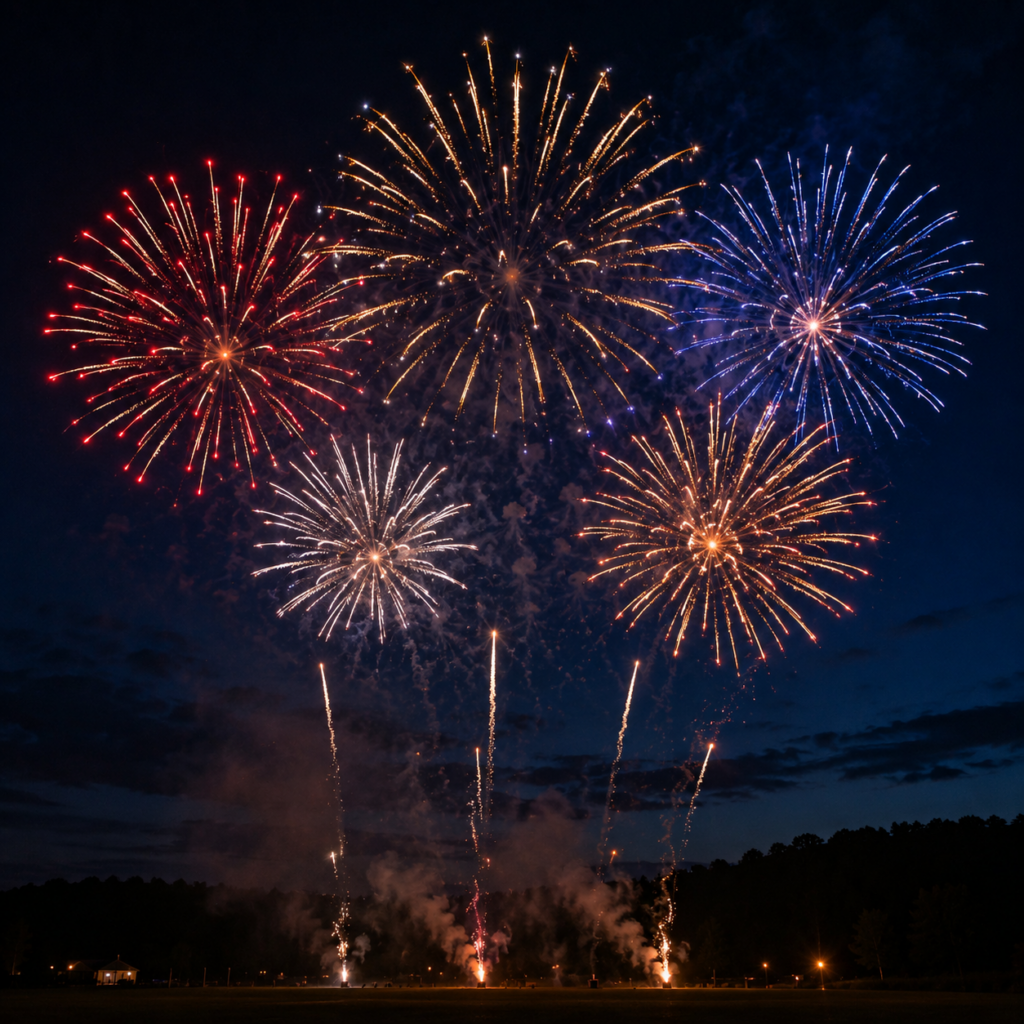
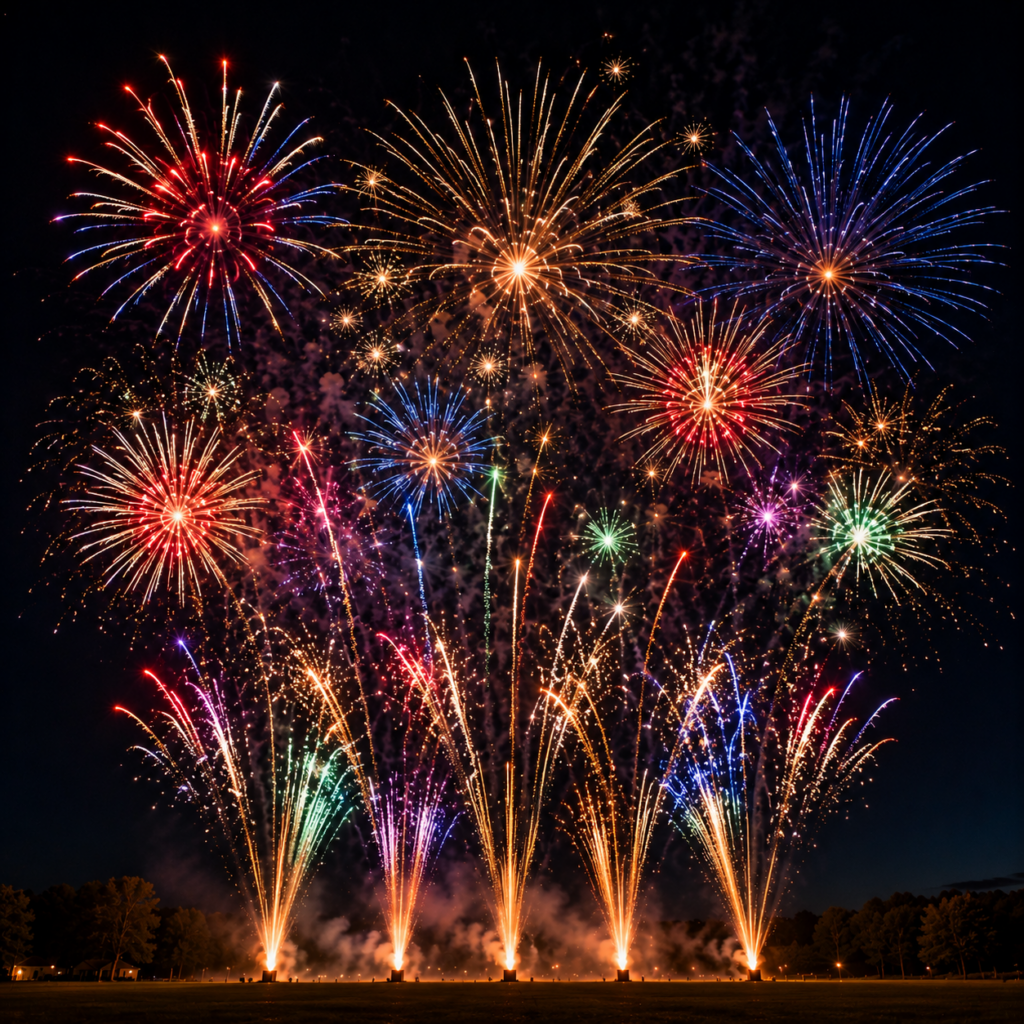
Layer 3: Controlled Chaos
This is the payoff.
Rapid transitions. Bigger sky coverage. Louder effects. More overlap.
This is where quick fuse setups shine because they allow effects to stack tightly together and create that rolling wall-of-sound feeling people associate with professional finales.
Good firework finale timing makes this section feel massive without turning into total confusion.
Layer 4: The Final Hit
One last punctuation mark.
A giant break. A loud salute. A dramatic final effect.
Oddly enough, ending with one strong final moment after the rapid-fire sequence usually feels more satisfying than simply letting the chaos sputter out.

Choosing the Right Fuse Speeds for Finale Timing
Different fuse speeds create different emotional effects during a show.
That sounds ridiculous until you actually see it happen.
Slower fuse creates suspense and breathing room. Medium-speed fuse helps maintain rhythm and flow. Quick fuse compresses time and creates intensity.
That is why there is no single “perfect” option when choosing the best fuse for fireworks. It depends entirely on what section of the show you are building.
A slower fuse might work perfectly during the early setup portions of the show where spacing matters.
A quick fuse setup makes more sense during finale sections where tight timing and rapid transitions create energy.
The real key is testing beforehand instead of figuring it out live in front of everybody while your uncle yells countdown suggestions from a lawn chair.
A Simple Backyard Finale Setup Example
If you want a simple example of how to build a firework show finale without getting overly technical, here is a basic structure:
- Start with two or three medium-sized cakes spaced slightly apart
- Transition into shorter timing gaps between effects
- Add a faster-paced section using quick fuse connections
- Finish with one larger cake or final salute effect
That simple pacing adjustment alone can completely change how the audience experiences the show.
The fireworks themselves may not even change much. The timing does all the heavy lifting.
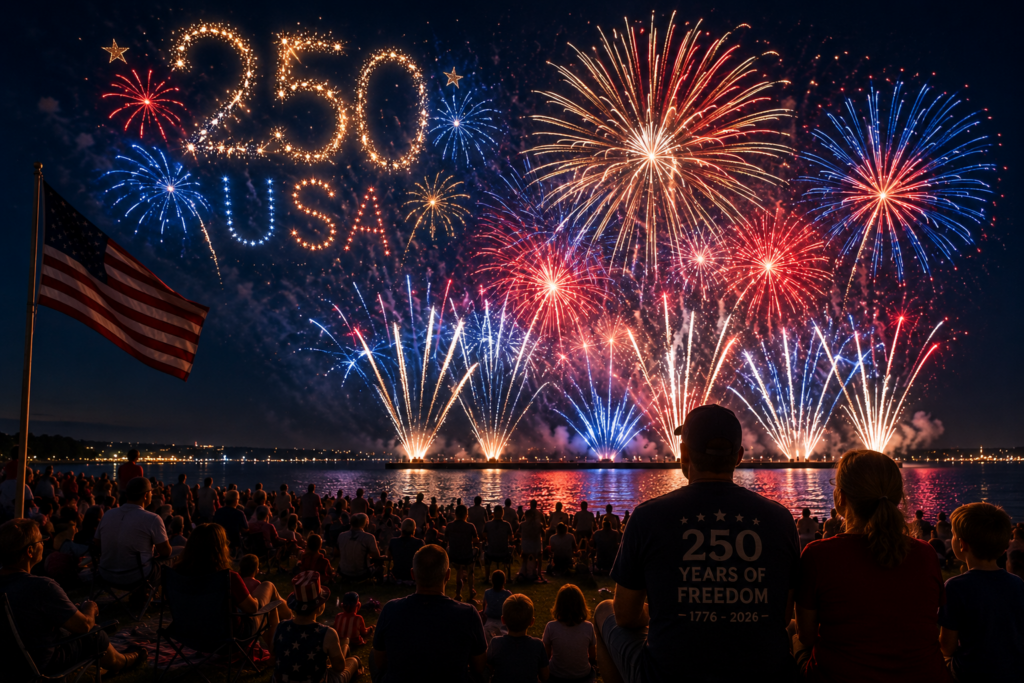
4th of July Finale Ideas That Feel Bigger Without Spending More
Some of the best 4th of July finale ideas are really just smarter pacing tricks.
For example:
- alternating heights creates more visual movement
- overlapping effects creates density
- tighter transitions increase excitement
- grouping similar effects together creates rhythm
A clean, well-timed finale almost always feels more impressive than randomly firing expensive product all at once because somebody got excited.
And honestly, that happens a lot.
Don’t Wait Until July 4th to Figure It Out
The people who pull off smooth finales usually test beforehand.
They measure fuse lengths, learn burn rates. And they run small timing experiments before the actual show.
That prep work is what creates confidence when it is finally time to light the setup.
Because once the finale starts rolling, there is not a whole lot of time for second guesses.
Your Finale Should Feel Like a Victory Lap
The best finales are not necessarily the biggest ones.
They are the ones that feel intentional.
Good pacing creates tension. Tight timing creates excitement. Smart fuse selection creates flow.
That is what makes a backyard show feel polished instead of improvised.
And once you start paying attention to firework finale timing, you will never watch a sloppy ending the same way again.
Ready to Build a Finale Worth Remembering?
The difference between a good fireworks show and a great one often comes down to timing. Stock up on the fuse speeds you need to build anticipation, control the pace, and finish with a finale that leaves everyone looking up.