

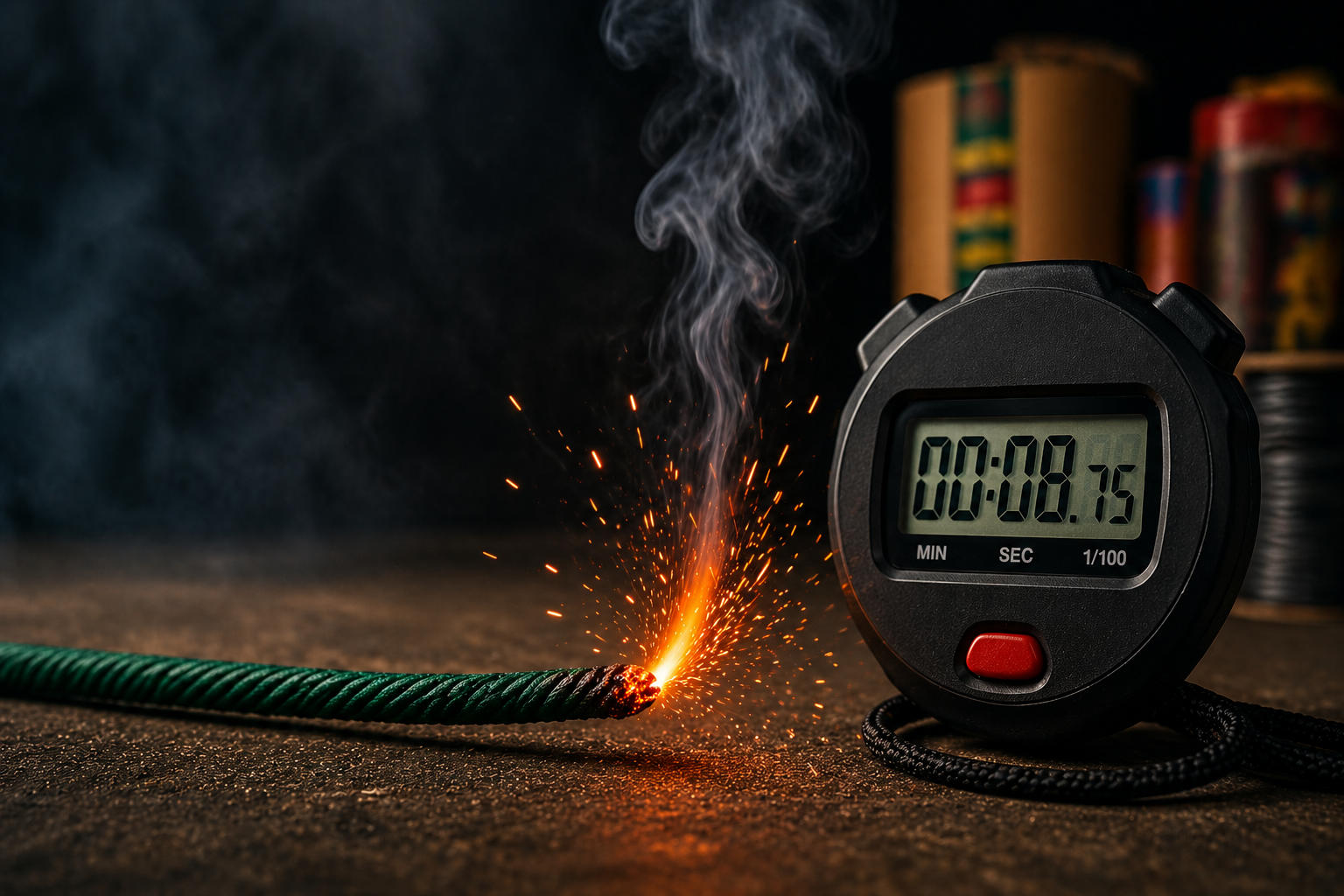
Why Burn Rate Is Everything (and Why Most People Guess It Wrong)
There’s a noticeable difference between a show that flows cleanly and one that feels… off. Most of the time, it comes down to timing, and timing comes down to Visco fuse burn rate.
The idea is simple: your fuse controls when everything happens. But here’s where things go sideways, a lot of people assume that all fuse burns the same, or close enough. It doesn’t. Even small differences in fuse burn rate can throw off an entire sequence, especially when you’re chaining multiple effects together.
Understanding how Visco fuse burn rate works gives you control. Not guesswork, not “hope this lines up,” actual control. Once you get that dialed in, everything starts to feel a whole lot more intentional.

What Is Fuse Burn Rate (And Why It Matters More Than You Think)
At its core, fuse burn rate is just how fast a fuse burns, usually measured in seconds per foot. Sounds straightforward, but the impact is bigger than most people expect.
Different types of fuse, including Visco fuse, are designed to burn at different speeds. That’s what allows you to build timing into your setup. Want things to fire quickly, one after another? You’ll use a faster Visco fuse burn rate. Need a delay between effects? That’s where slower fuse comes in.
Here’s where it gets interesting. Even within the same category, fuse burn rate can vary slightly based on coatings, manufacturing differences, and conditions like humidity or wind. That means two pieces of fuse that look identical might not behave exactly the same in real-world use.
That variability is why relying on assumptions can get you into trouble. If you’re aiming for tight timing, especially in sequences or finales, you need consistency. When you understand how Visco fuse burn rate behaves, you can start planning with confidence instead of crossing your fingers.
If you want a deeper breakdown of how burn rate works and what affects it, check out:
→ What Is Fuse Burn Rate? Everything You Need to Know

How to Measure Fuse Burn Rate (So You’re Not Guessing)
Even high-quality fuse benefits from a quick test. If you want reliable timing, measuring your Visco fuse burn rate before a show is one of the easiest ways to get there.
The process doesn’t need to be complicated. Start with a known length of fuse, light it, and time how long it takes to burn. From there, you can calculate the fuse burn rate in seconds per foot. That number becomes your baseline.
Why does this matter? Because small variations add up. If your Visco fuse burn rate is slightly faster or slower than expected, that difference can compound across multiple connections. What should have been a smooth transition can suddenly feel rushed or delayed.
It’s also worth testing more than once. Batch variations happen, and running a couple of tests gives you a more accurate average. The goal isn’t perfection, it’s predictability.
Once you’ve tested your fuse, you’re no longer guessing. You’re working with real numbers, and that makes a huge difference when you’re building out timing.
For a step-by-step walkthrough, take a look here:
→ DIY Testing: How to Test Fuse Before a Show
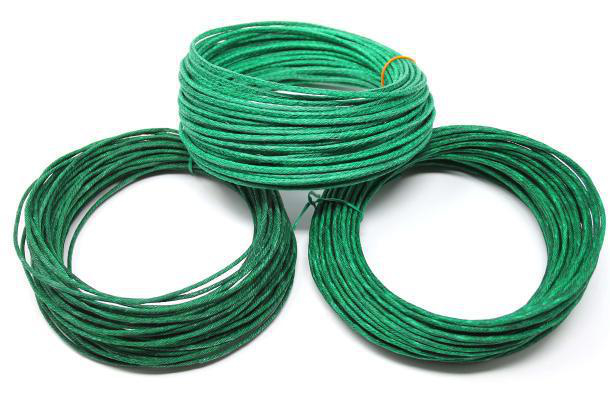
Choosing the Right Fuse Burn Rate Without Overthinking It
This is where people tend to overcomplicate things. There are a lot of options, and it’s easy to get stuck trying to pick the “perfect” Visco fuse burn rate.
You don’t need perfect. You need the right speed for what you’re trying to do.
If you’re setting up quick transitions where effects fire almost back-to-back, a faster fuse burn rate makes sense. It keeps everything tight and connected.
If you want a little breathing room between effects, something in the middle gives you more control without feeling rushed.
And when you’re intentionally creating a delay, slower fuse is your friend. That’s how you space things out and build anticipation.
The key is matching the Visco fuse burn rate to the result you want. Not overthinking every detail, just choosing based on timing.
It also helps to remember that consistency matters more than precision. A slightly imperfect timing setup that behaves predictably will always outperform a “perfect” plan that relies on assumptions.
If you want a simpler way to think through your options, this guide breaks it down:
→ How to Choose the Right Fuse Burn Rate Without Overthinking It
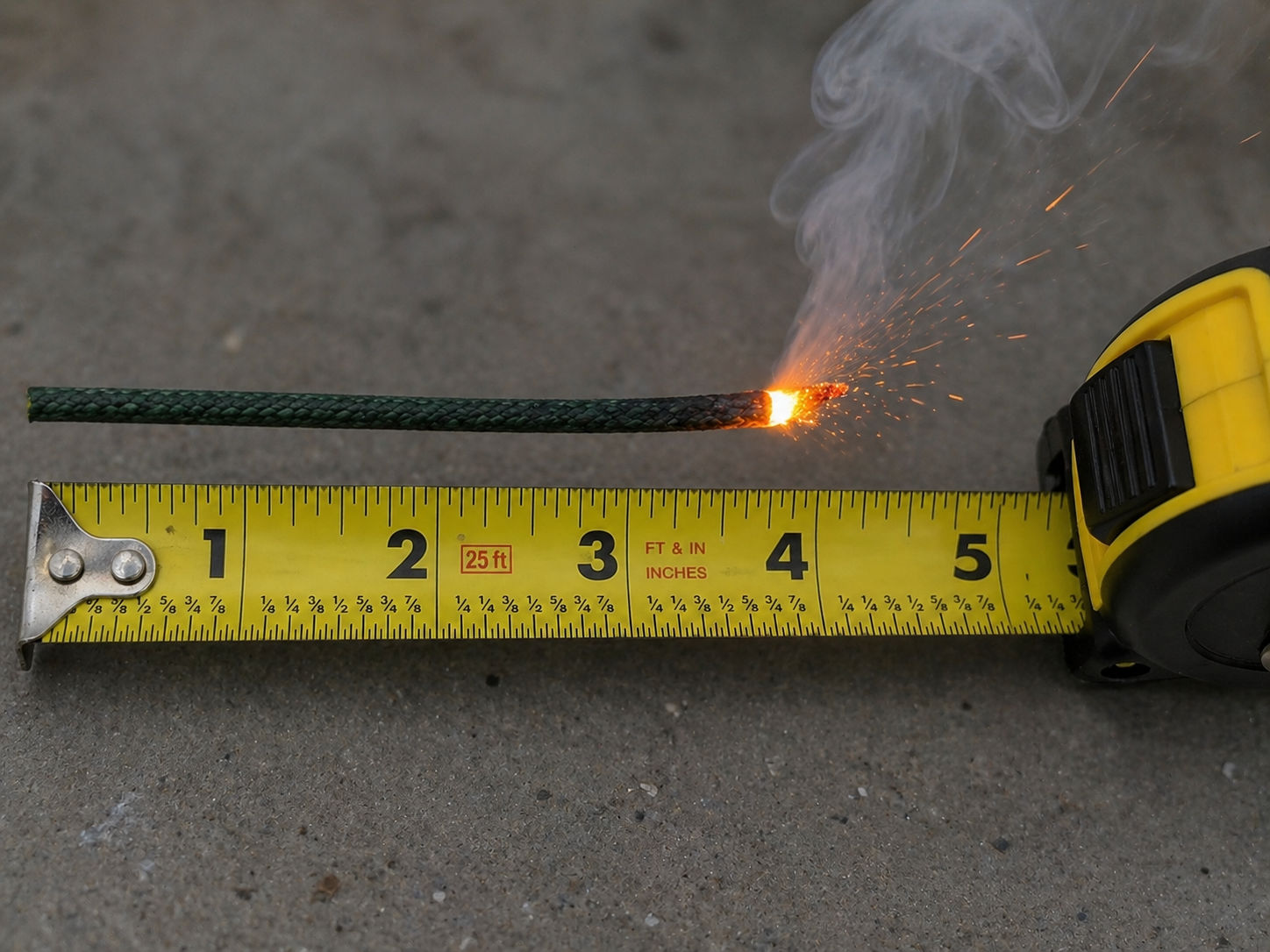
Better Timing Starts Here
Once you understand fuse burn rate, everything else gets easier. You’re no longer guessing how long something will take or hoping your setup lines up. You’re building timing into your design from the start.
It really comes down to three things:
Know your fuse. Test your fuse. Choose the right speed for the outcome you want.
When you apply that approach to Visco fuse burn rate, you get cleaner transitions, more controlled sequences, and a result that feels intentional instead of improvised.
And that’s the difference people notice, even if they can’t quite explain why one setup looks better than another.
Get Your Timing Dialed In
If you want smoother transitions, better flow, and fewer surprises, it starts with the right fuse.
Shop Fuse by Speed and build something that actually fires the way you planned.