

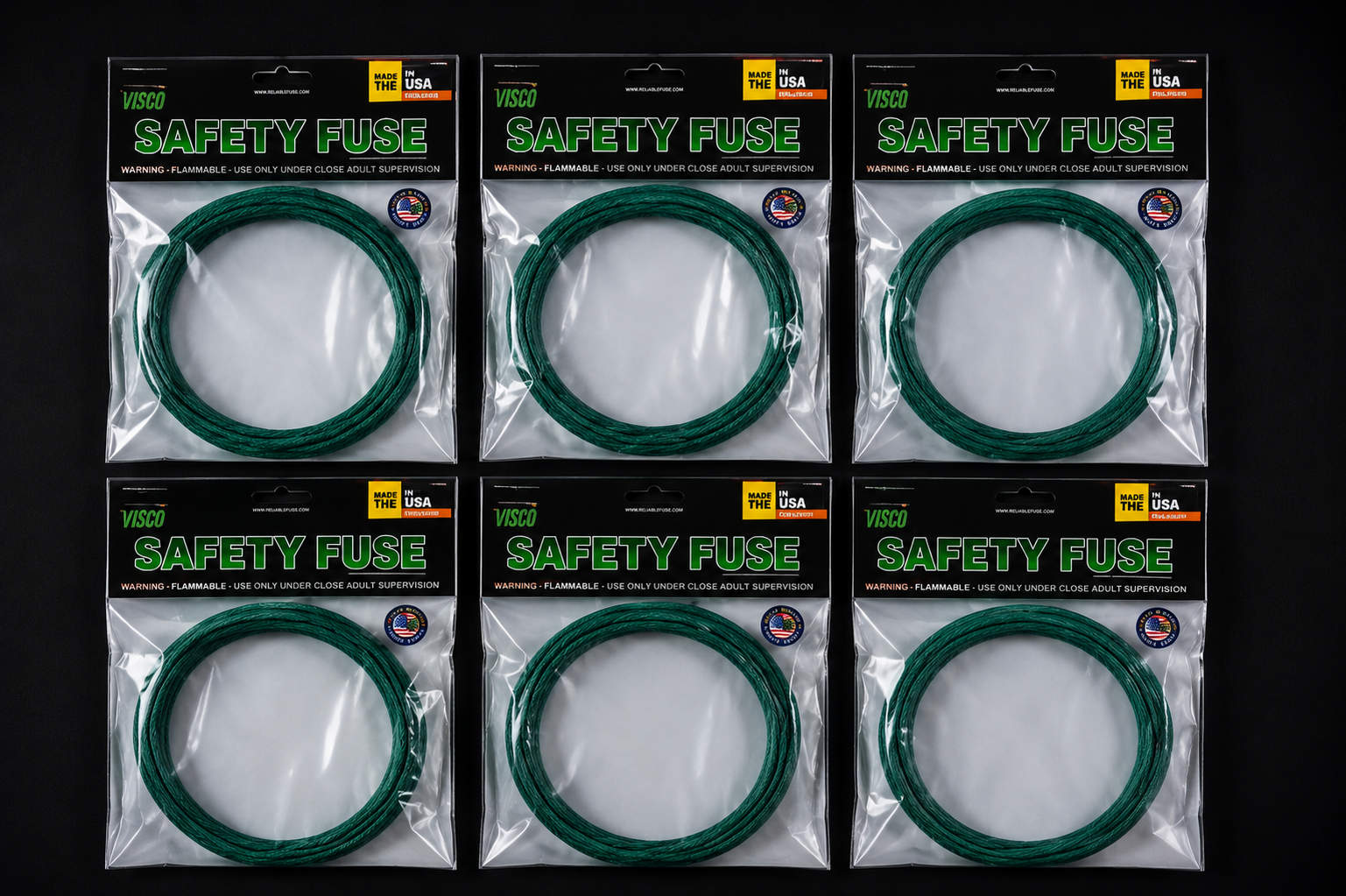
If you’ve ever looked at two rolls of Visco fuse and thought, “They’re both green. They’re both fuse. What’s the big deal?” you’re not alone.
One of the most common questions we hear is why Visco fuse comes in different diameters. Isn’t fuse just… fuse?
Not exactly.
Visco fuse thickness plays a much bigger role in your setup than most people realize. While burn rate gets all the attention, the physical size of the fuse affects how it fits into connectors, igniters, clips, and just about every other part of your build. Choosing the right diameter can make setup faster, cleaner, and a whole lot less frustrating.
Think of it like choosing the right socket wrench. Sure, you could force the wrong one to fit. You’re just probably not going to enjoy the experience.
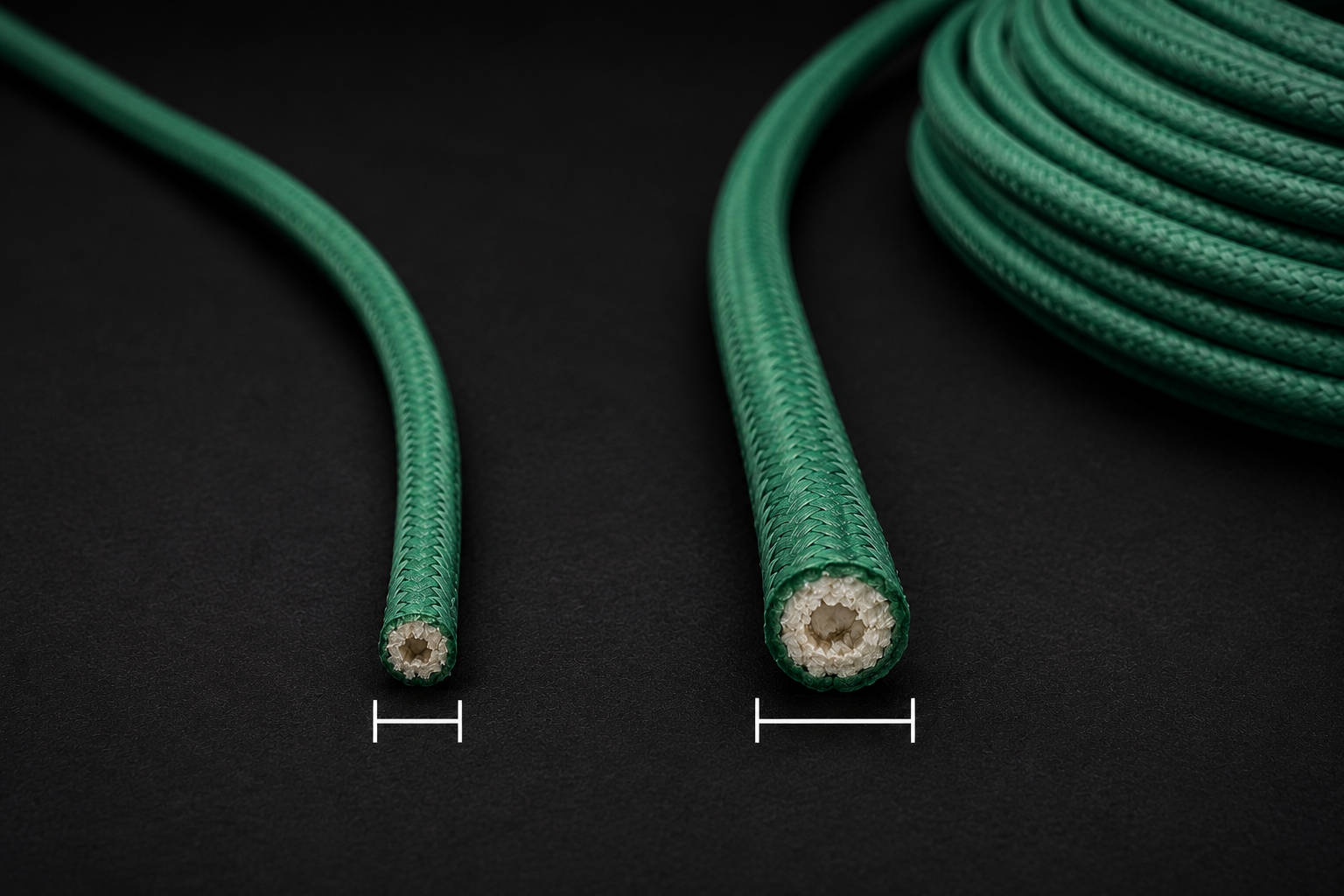
What Does Visco Fuse Thickness Actually Mean?
When people talk about Visco fuse thickness, they’re talking about the outside diameter of the fuse itself. Common sizes include 2.2mm safety fuse and 3.0mm visco fuse, and those measurements simply describe how thick the fuse is.
Here’s the important part: thickness is not the same thing as burn rate.
A thicker fuse doesn’t automatically burn slower. A thinner fuse doesn’t automatically burn faster. Burn rate depends on the formulation and manufacturer, not the diameter alone.
Diameter is all about how the fuse handles physically. How flexible it is. How rigid it is. How well it fits inside connectors and mechanical igniters. Those little differences become surprisingly important once you start building more elaborate setups.
Why Different Diameters Exist
Manufacturers didn’t wake up one morning and decide to make life more confusing.
Different projects call for different characteristics, and changing the diameter changes how the fuse behaves during installation.
Some users want a fuse that’s easy to bend through complicated layouts with dozens of connection points. Others need something stiff enough to slide neatly into mechanical igniters without folding over like a cooked spaghetti noodle.
Neither option is better. They’re simply designed for different jobs.
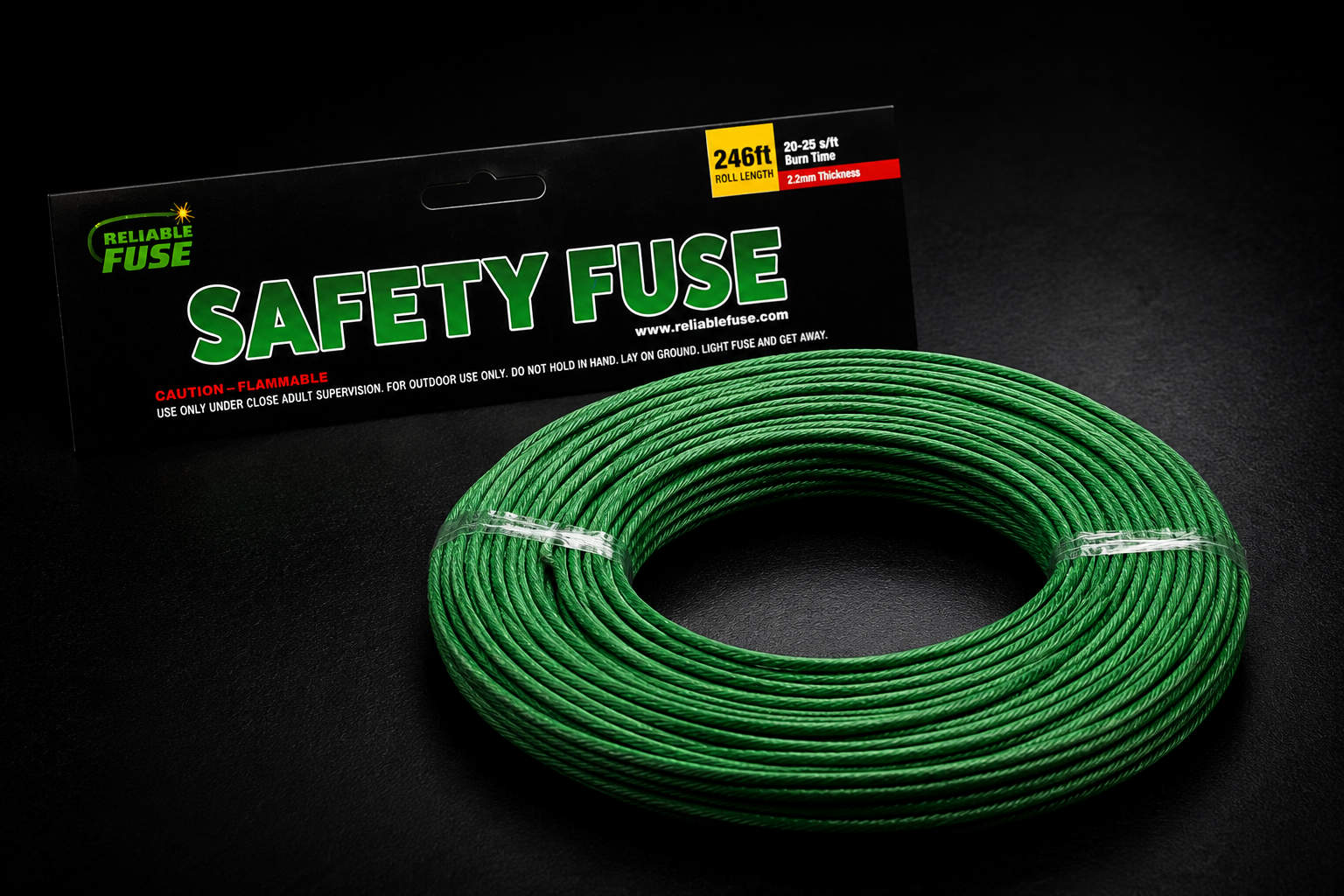
When 2.2mm Safety Fuse Shines
If your setup uses a lot of clips, connectors, or branching fuse paths, 2.2mm safety fuse is often the easier choice.
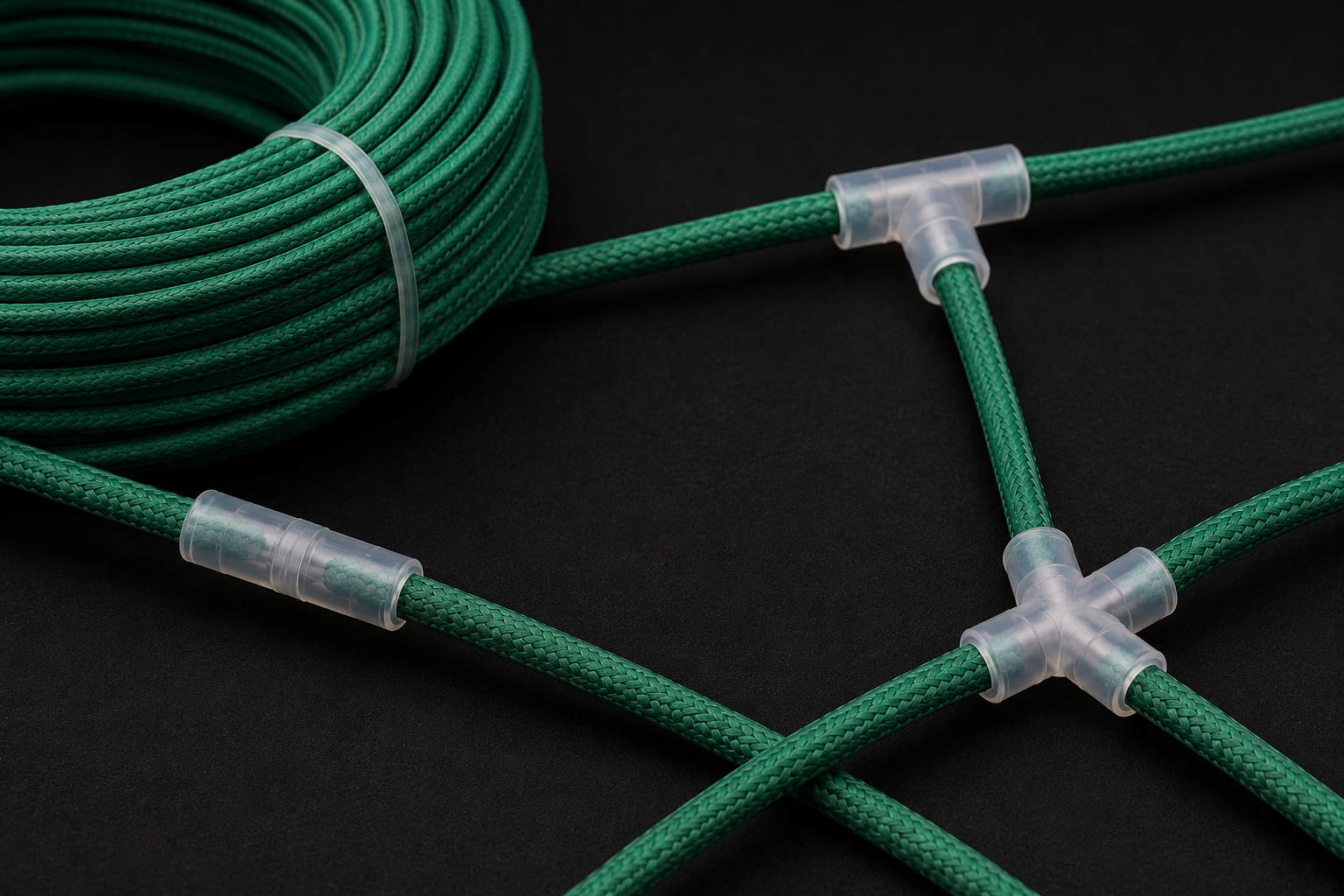
Its smaller diameter makes it more flexible, which is especially helpful when routing fuse through tight spaces or around multiple fireworks. It also bunches together more easily when you’re using accessories like Fuse ConneX clips.
Instead of wrestling with stiff fuse that wants to spring back into a straight line every five seconds, thinner fuse generally behaves itself a little better.
It’s especially popular with builders creating larger consumer displays where dozens of connection points need to stay organized without looking like someone dumped a bowl of green spaghetti across the lawn.
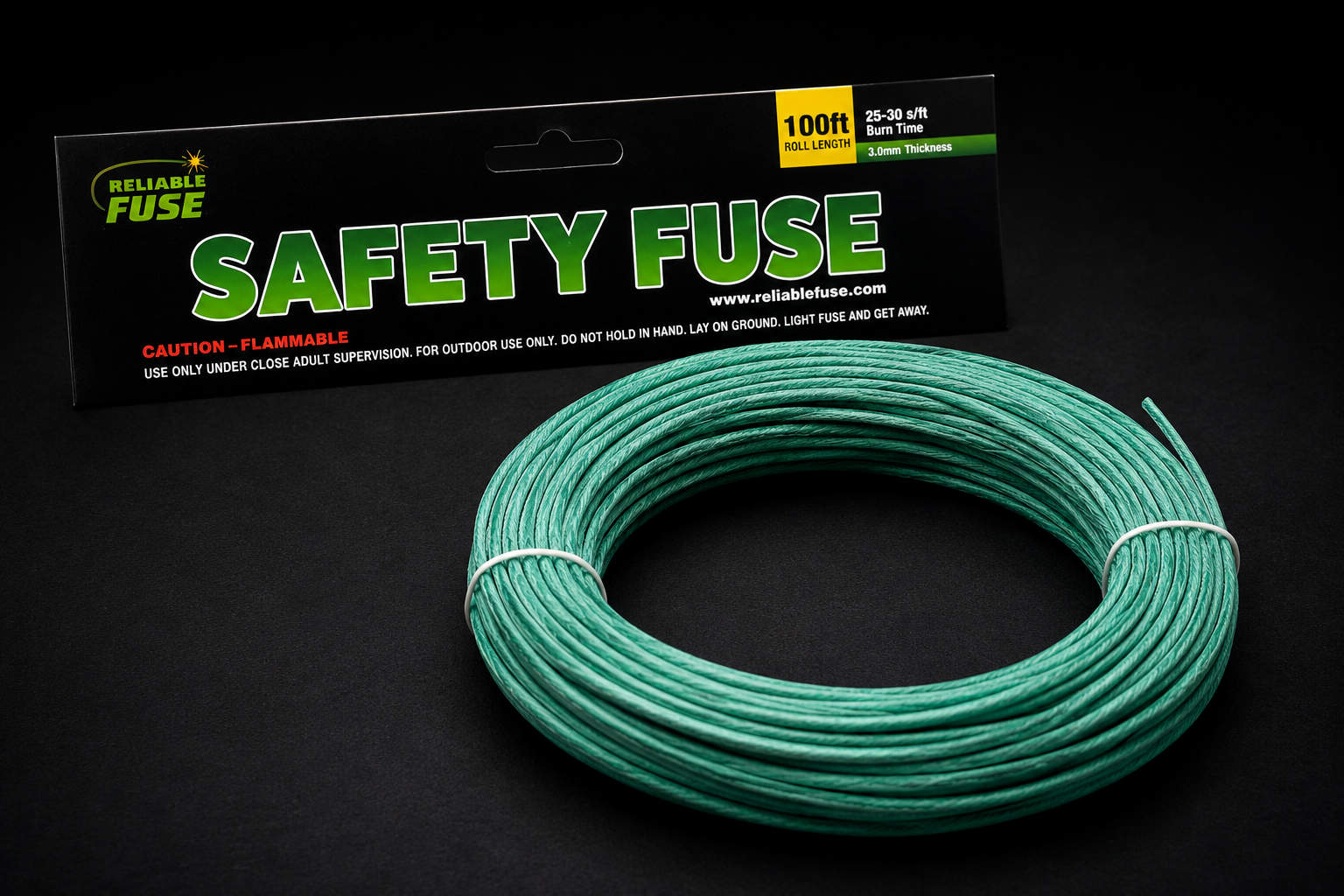
Why 3.0mm Visco Fuse Has Its Fans
On the other end of the spectrum is 3.0mm visco fuse, and it’s easy to see why many hobbyists prefer it.
The thicker diameter gives the fuse more rigidity, making it easier to insert into many mechanical igniters and friction-fit devices. Instead of bending or collapsing while you’re trying to make a connection, it tends to slide into place with much less fuss.
That added stiffness also makes it easier to handle when you’re wearing gloves or working in less-than-perfect conditions.
No one has ever said, “You know what I wish? This setup was harder to assemble.”
The sturdier feel of thicker fuse gives many builders a little more confidence during installation, particularly when secure mechanical connections are a priority.
Which One Is Right for Your Setup?
The answer is delightfully unsatisfying.
It depends.
If you’re building a complex backyard fireworks display with lots of branches and connectors, the flexibility of 2.2mm fuse might make your life easier.
If you’re using mechanical igniters that rely on a snug friction fit, the rigidity of 3.0mm fuse may be exactly what you’re looking for.
Model rocket enthusiasts, cannon hobbyists, and fireworks builders all have slightly different needs. Even two people building similar displays may choose different fuse diameters simply because they prefer one handling characteristic over another.
That’s why it’s less about finding the “best” fuse and more about finding the best fuse for your particular equipment and setup style.
Don’t Mix Up Thickness and Burn Rate
This is one of the biggest misconceptions about Visco fuse. It’s easy to assume that a thicker fuse must burn differently simply because there’s more material there. It sounds logical, but that’s not actually how it works.
Two pieces of Visco fuse can have the exact same diameter and burn at completely different rates because burn speed is determined by the manufacturer’s formulation and construction, not by the outside thickness. That’s why it’s important to check the published burn-rate specifications for the specific fuse you’re using whenever timing matters. Diameter alone won’t tell you how quickly the fuse burns.
A good way to think about it is this: Visco fuse thickness is a fitment measurement, not a timing measurement. It tells you how the fuse will fit into connectors, igniters, and clips, while the burn-rate specification tells you when your effects will fire. Keeping those two concepts separate will help you choose the right fuse for both the physical setup and the timing of your project.
Build Smarter, Not Harder
Understanding Visco fuse thickness won’t magically make you build the perfect setup overnight. We wish it worked that way. We’d probably charge extra.
What it will do is help you choose the fuse that works best with your connectors, your igniters, and the way you like to build. A little planning on the front end usually means less fiddling, fewer headaches, and a setup that comes together much more smoothly.
At Reliable Fuse, we carry multiple Visco fuse options because one size doesn’t fit every project. Whether you’re looking for the flexibility of 2.2mm safety fuse or the added rigidity of 3.0mm visco fuse, choosing the right diameter helps everything fit together the way it should.
Find the Right Fuse for Your Next Build
Whether you need the flexibility of 2.2mm safety fuse or the sturdier feel of 3.0mm Visco fuse, Reliable Fuse has the options to match your setup. Browse our full selection of Visco fuse and build with confidence from the very first connection.