

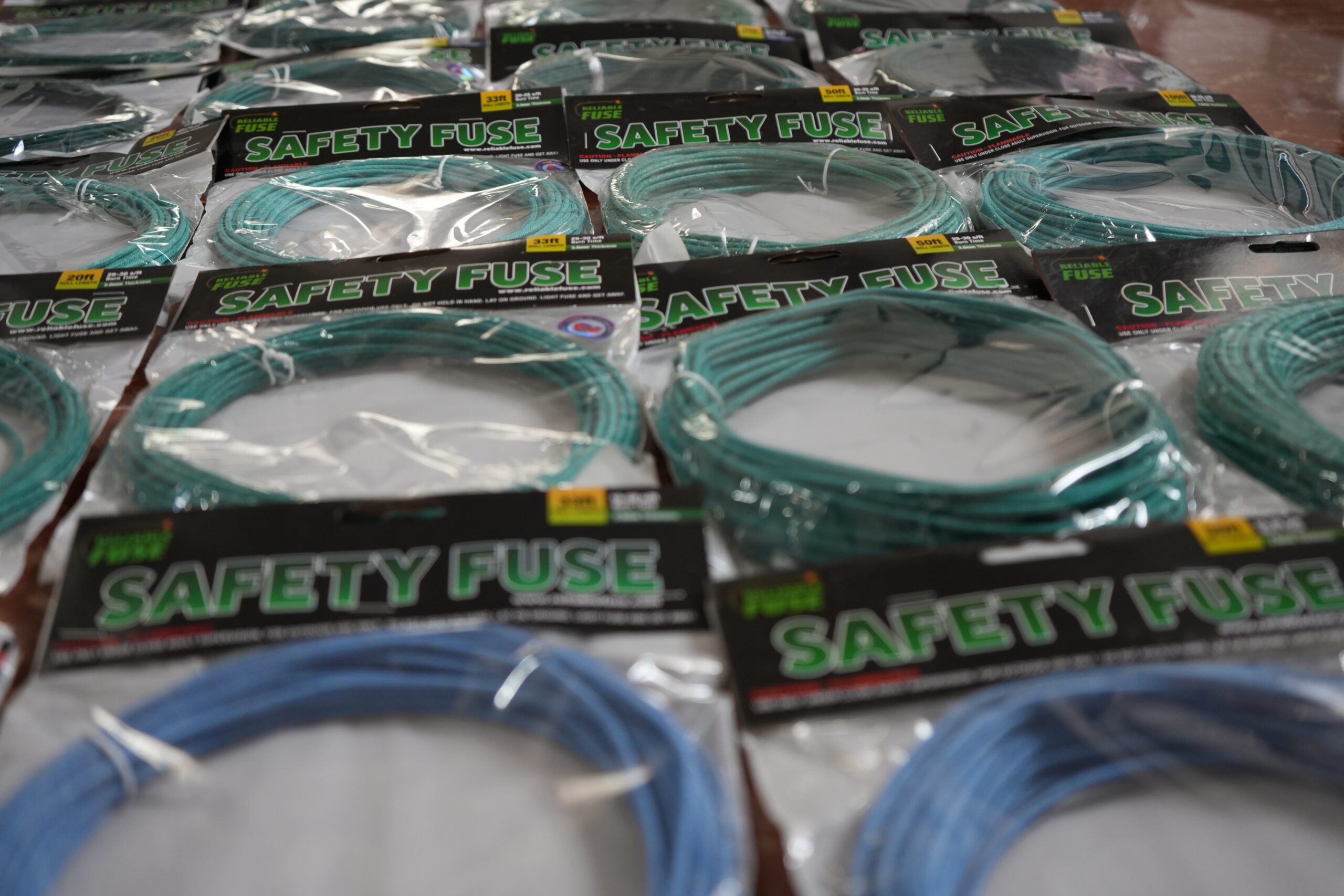
You’ve set up your project, everything’s ready to go, and you’ve got a lighter in hand. But then, nothing. The fuse just sits there, stubbornly refusing to catch. Suddenly, you’re asking the most frustrating question in the hobby world: why won’t my fuse light?
It happens more often than you’d think, and the good news is that most ignition issues come down to a handful of common mistakes. With the right fixes, you can get back to lighting confidently and keep your projects running smoothly.
Problem 1: The Fuse Is Damp
Moisture is one of the top culprits when it comes to ignition problems. Fuse coatings are designed to burn at a controlled speed, but when they absorb water, they stop working the way they should. Instead of catching, the fuse sputters or refuses to ignite at all.
Signs of a damp fuse:
- It feels soft.
- It looks slightly swollen.
- It gives off a musty smell.
The fix: Prevention is key. Always store your fuse in resealable bags or airtight containers with silica packs. If you suspect your fuse got damp, try moving it to a warm, dry indoor space and let it air out for a day before use.
Problem 2: Poor or Jagged Cuts
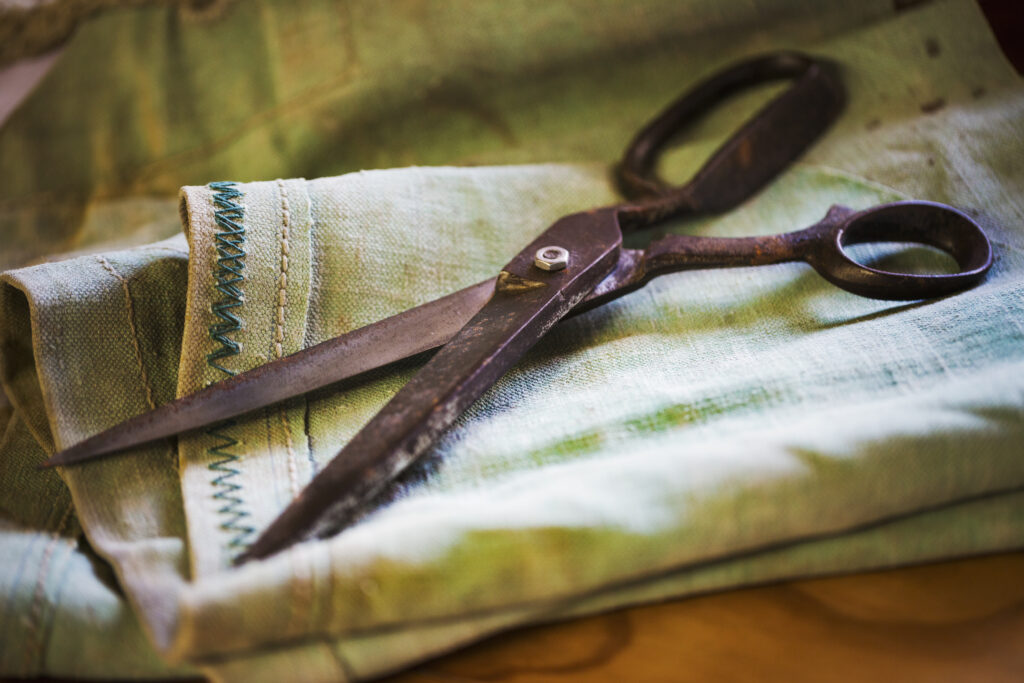
This is one of the most overlooked causes of ignition problems. A clean cut exposes just the right amount of powder inside the fuse, giving the flame something to catch. A jagged cut, on the other hand, frays the end, making ignition unreliable.
Most hobbyists run into this issue when they use old scissors, wire cutters, or even pocket knives. Sure, it works in a pinch, but the results are inconsistent.
The fix: Use a proper fuse cutting tool, like the Ronan Multi-Cut. It delivers a crisp, square cut that lights reliably every time. The better the cut, the better the ignition.
Problem 3: Wrong Lighting Source
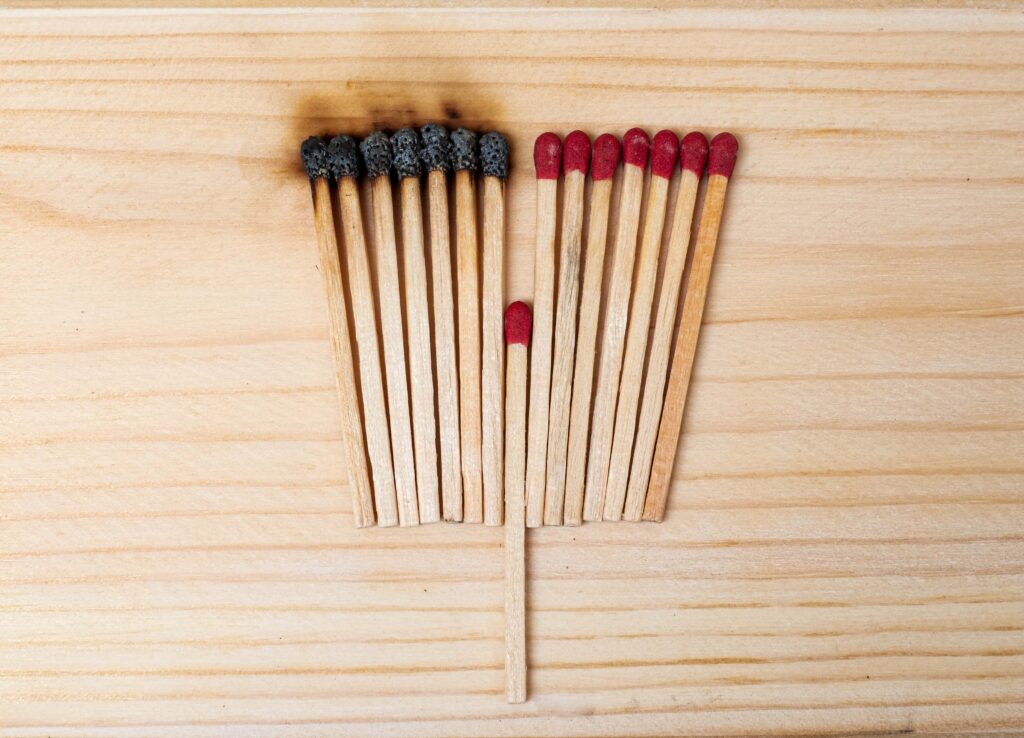
Not all flames are created equal. Matches and weak disposable lighters often don’t provide enough heat to catch a fuse, especially outdoors where wind steals away what little flame they produce. That’s when hobbyists start asking: why won’t my fuse light even though I’m holding a flame to it?
The fix: Use a torch-style lighter or a dedicated igniter. Torch lighters create a hot, steady flame that’s much harder for wind to snuff out. They also let you get the flame right where it needs to be, increasing your chances of quick, reliable ignition.

Problem 4: Old or Sun-Damaged Fuse
Another sneaky cause of ignition failure is time itself. Fuse doesn’t last forever. Exposure to sunlight, heat, or fluctuating temperatures breaks down the protective coating. What you’re left with is a brittle, cracked fuse that just won’t behave.
The fix: Rotate your stock so you’re always using the oldest rolls first. Store fuse in a cool, dark, stable environment: no basements, no hot garages, and definitely no sunny windowsills. If your fuse looks faded, crumbly, or brittle, don’t risk it.
Problem 5: Fuse Type Doesn’t Match the Project
Sometimes the answer to why won’t my fuse light is as simple as using the wrong type. Thicker fuses naturally take longer to catch, while thinner fuses light up more quickly. Some coatings are designed to be tougher, which can also affect ignition.
If you’re working on a project that needs instant ignition, but you’re trying to light a thick, slow-burning fuse with a weak flame, you’re in for frustration.
The fix: Choose the right fuse for the job. Check diameter, burn rate, and coating type before you cut and install it. Matching your fuse to your setup makes lighting smoother and keeps everything on schedule.
Problem 6: Handling Mistakes
It doesn’t take much to make a fuse temperamental. Oils from your hands, dirt, or even bending the fuse too sharply can compromise the coating and make ignition harder. Frayed ends from rough handling only add to the problem.
The fix: Handle fuse gently. Cut and label lengths ahead of time so you’re not fussing with it on the spot. Avoid crushing or kinking the fuse, and always make sure the ends are neat and square before you light.
Bonus Fixes When You’re Stuck
Sometimes, despite your best efforts, you’re still left asking why won’t my fuse light? Before you toss it, try these quick fixes:
- Dry it out: If it’s damp, leave it in a warm, dry spot for a day.
- Re-cut the end: Clean cuts solve more ignition issues than most hobbyists realize.
- Switch your flame: Grab a torch lighter or igniter for a hotter, steadier flame.
- Have backups: Always prep extra fuse lengths so one failure doesn’t ruin your whole setup.
As frustrating as it is, asking “why won’t my fuse light” doesn’t have to end in wasted projects. In most cases, the solution is simple: keep fuse dry, cut it cleanly, use the right flame, and store it properly. A little prep goes a long way in keeping your projects reliable and safe.
With the right tools and good habits, you’ll spend less time troubleshooting and more time enjoying your creations.
Don’t settle for unreliable results. Shop high-quality Visco fuse and cutting tools from Reliable Fuse today, because the best projects start with fuse you can trust.