

Fuse gets blamed for a lot of things it didn’t actually do.
Burns too fast? Must be the fuse.
Burns too slow? Bad fuse.
Timing feels off? Yep, still the fuse.
But here’s the part most people skip right over: fuse storage quietly affects performance long before anything ever gets lit. And no, this doesn’t mean you need special containers, climate control, or a checklist taped to the wall. It just means understanding a few basics that keep your fuse behaving the way it should.
Let’s talk about what actually matters, what doesn’t, and how to stop storage mistakes from messing with your results.
Why Fuse Storage Matters More Than People Think
Fuse is simple by design, but it’s still a physical product. Over time, the way it’s stored adds up. Fuse storage isn’t about perfection, it’s about consistency.
Heat, moisture, and physical handling all play a role. None of them ruin fuse instantly, but they can slowly change how it burns. That’s why two people using the same fuse can have totally different experiences depending on how it’s been kept.
Good storage doesn’t make fuse “better.” It keeps it predictable. And predictability is the whole point.

What Happens When Fuse Is Stored Improperly
Improper storage doesn’t usually announce itself with dramatic failure. It shows up in smaller, more annoying ways.
Moisture can affect burn consistency. Heat can dry things out unevenly. Being crushed, bent, or loosely tossed into a drawer can damage the outer layers. Over time, those little issues start showing up during use.
When fuse storage isn’t handled well, people often compensate without realizing it, adjusting timing, cutting extra length, or second-guessing setups. That’s when frustration kicks in, even though the fix was simple.
The Most Common Fuse Storage Mistakes
Most storage mistakes come from good intentions and bad assumptions.
One big one is leaving fuse exposed because “it’ll be used soon.” Another is storing it near heat sources like garages or sheds that swing wildly in temperature. Some people assume original packaging means full protection forever, which isn’t always the case once it’s been opened.
Poor fuse storage doesn’t mean someone did something reckless. It usually means no one told them it mattered.
How to Store Fuse the Right Way
Here’s the good news: storing fuse properly is not complicated.
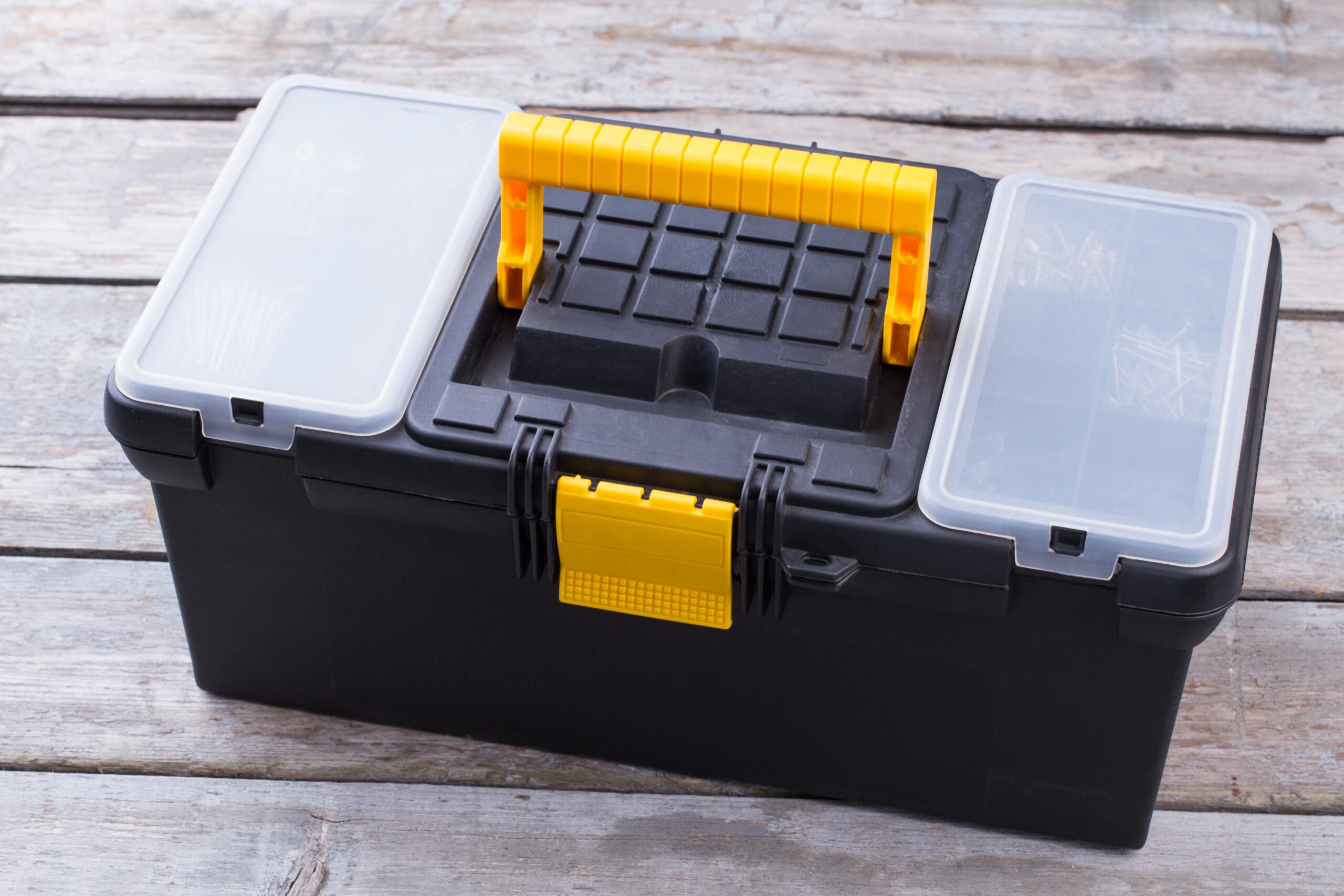
Keep it dry, out of extreme heat, and somewhere it won’t get crushed or tangled. That’s really it. Short-term storage and long-term storage don’t need wildly different approaches, just a bit of consistency.
You don’t need airtight vaults or fancy containers. You just need habits that protect the fuse you already bought. Smart fuse storage is about avoiding unnecessary exposure, not creating a science project.
How Storage Affects Performance Over Time
Time alone doesn’t ruin fuse. Age isn’t the enemy here. Conditions are.
When fuse is stored well, performance stays consistent for a long time. When storage is sloppy, even high-quality fuse can start behaving unpredictably. That’s why people sometimes think older fuse is “bad” when it’s actually just been stored poorly.
This is where fuse storage quietly shows its impact. Not immediately, not dramatically, but enough to change how confident you feel lighting it.
Signs Your Storage Might Be the Problem
If you notice inconsistent burn timing, unexpected changes in behavior, or fuse that just feels “off” compared to before, storage is worth checking.
Visual cues can help too. If the fuse looks damaged, excessively dried out, or compromised, that’s a signal. None of this means panic, but it does mean storage conditions should be part of your troubleshooting.
Good fuse storage removes one more variable from the equation.

When Stored Fuse Is Still Perfectly Fine to Use
Here’s the reassuring part: fuse that’s been stored properly holds up very well. Quality fuse is forgiving. It doesn’t suddenly turn useless just because time passed.
If your storage has been consistent and conditions were reasonable, there’s usually no need to worry. In many cases, testing is optional, not mandatory. Reliable fuse paired with smart fuse storage is exactly how you get predictable results.
When It’s Time to Replace Instead of Store Longer
Sometimes, replacing fuse is the smarter move. Not because it’s unsafe, but because confidence matters.
If storage conditions were questionable, or the fuse has been through a lot of environmental swings, restocking can save time and second-guessing. Fresh fuse removes doubt and keeps things simple.
At the end of the day, fuse storage is about protecting performance, not stretching things past their comfort zone.
Store Smart, Burn Consistent
Fuse doesn’t need babysitting. It just needs to be treated like the precision tool it is.
A few smart storage habits go a long way toward keeping burns predictable and frustration low. When storage is handled right, fuse does exactly what it’s supposed to do, no drama required.
Store it right. Burn it right. Stock up on safety fuse you can trust.