


Fuse doesn’t get much respect. They’re small, they’re simple-looking, and they tend to get treated like an afterthought. Light it, walk away, hope for the best.
And that’s exactly why fuse myths are responsible for so many ruined projects.
Most fuse failures don’t come from bad intentions. They come from assumptions. Little “everyone knows that” ideas that feel true… right up until something burns too fast, too slow, or not at all.
Let’s clear the smoke and bust the most common fuse myths before they wreck your next project.
Myth #1: All Fuse Works the Same Way
This might be the most dangerous fuse myth of all.
A fuse is a fuse, right? Light one end, fire travels down the line, boom happens on cue.
Not quite.
Different fuse are made differently. Materials, construction, coatings, and core consistency all affect how a fuse behaves. Assuming they’re interchangeable is like assuming every car drives the same just because they all have four wheels.
Why this myth causes problems:
When people treat all fuse as equal, timing becomes a guessing game. And guessing is not a strategy.
How to avoid it:
Know what you’re using. Read the specs. Use fuse designed for predictability, not mystery.

Myth #2: Burn Time Is Always Exact
We love numbers. Numbers feel safe. “X seconds per foot” sounds reassuring.
But here’s the truth no one likes to hear: burn time is not a promise, it’s a guideline.
This fuse myth sticks around because burn rates are tested under controlled conditions. Real life, unfortunately, does not care about controlled conditions.
Humidity, temperature, handling, storage, and even how a fuse is cut can all influence burn behaviour.
Why this myth causes problems:
Relying on perfect timing sets you up for surprises. And surprises are rarely fun when ignition is involved.
How to avoid it:
Build in margins. Test when possible. And remember that consistency matters more than chasing perfection.
Myth #3: Cutting a Fuse Short Doesn’t Change Anything
This one sounds harmless. Logical, even.
“If I cut it shorter, it just burns for less time.”
Except… it’s not always that simple.
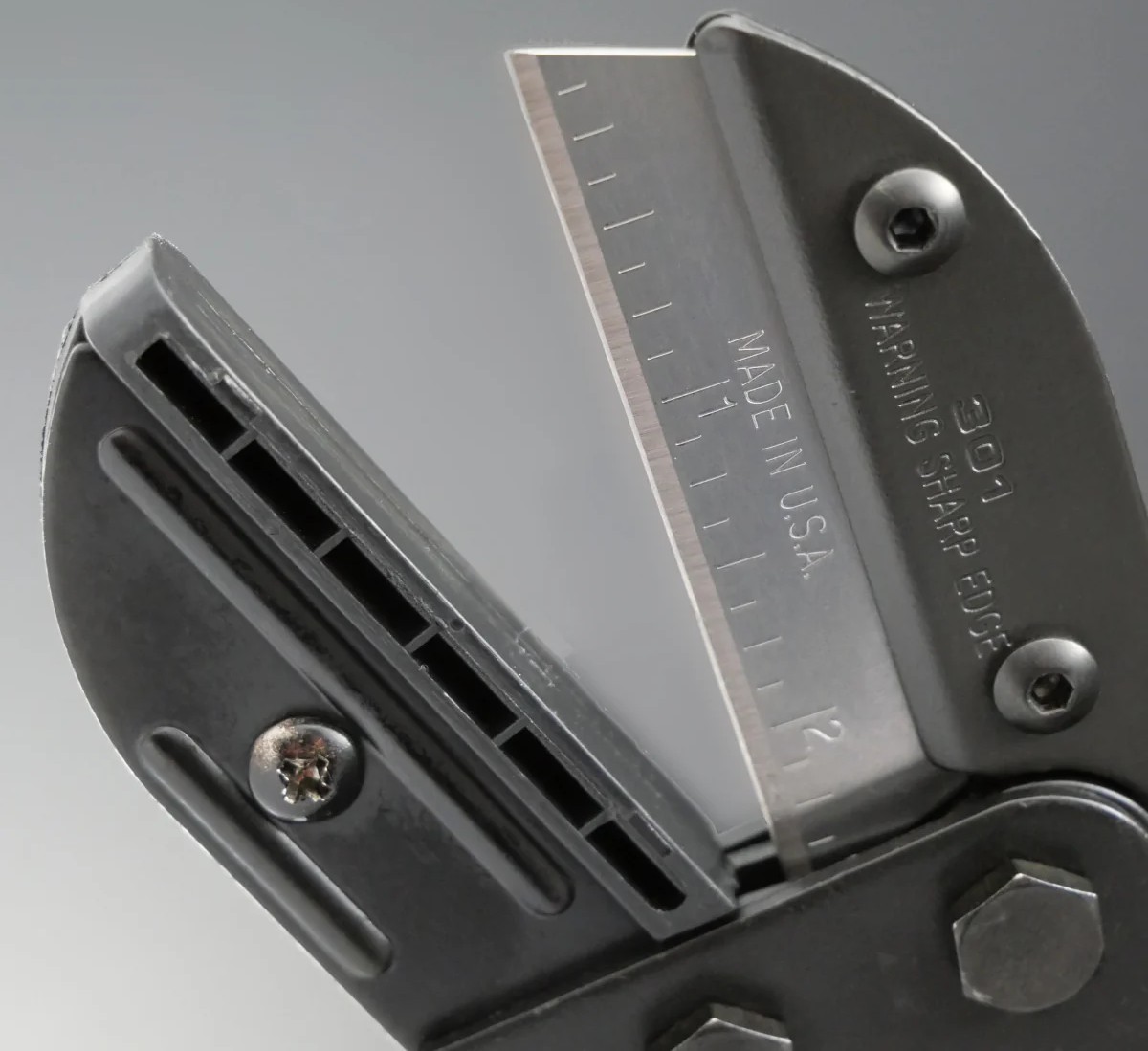
Cutting, crimping, or damaging the fuse end can affect ignition behaviour. A sloppy cut can change how the fuse lights and how it starts its burn.
Why this fuse myth causes problems:
Unexpected delays, uneven ignition, or burns that don’t behave like the rest of the fuse.
How to avoid it:
Use clean cuts. Handle the ends properly. And don’t assume shortening a fuse is a neutral action.
Myth #4: If It Worked Once, It’ll Work the Same Every Time
This is where confidence quietly turns into complacency.
Yes, a fuse might have worked perfectly last time. That does not mean it will behave identically every single time, especially if conditions have changed.
Storage, moisture, temperature swings, and physical wear all play a role.
Why this myth causes problems:
People skip checks. They stop paying attention. And small changes turn into big surprises.
How to avoid it:
Store fuse properly. Inspect and test before use. Treat every setup as its own scenario, not a rerun.

Myth #5: Fuse Problems Are Always User Error
Look, sometimes mistakes happen. But not every issue is because someone “did it wrong.”
This fuse myth lets poor-quality materials off the hook and puts all the blame on the user.
Inconsistent manufacturing leads to inconsistent performance. Period.
Why this myth causes problems:
People assume they’re the problem and keep using unreliable materials, adjusting technique instead of fixing the root cause.
How to avoid it:
Use quality fuse from suppliers who actually care about consistency. Reliability starts long before ignition.
How Fuse Myths Actually Destroy Projects
Fuse myths don’t usually cause instant chaos. They cause slow failure.
A little timing drift here. A little unpredictability there. Eventually, things stop lining up the way you planned.
That’s when projects fail, safety margins shrink, and frustration sets in.
Fuse myths turn planning into gambling, and that’s never a good trade.
How Can You Avoid Fuse Myths Altogether?
You don’t need to become a fuse scientist. You just need good habits.
- Stop assuming
- Pay attention to handling and storage
- Choose consistency over convenience
- Treat burn rates as guides, not guarantees
Most importantly, respect the fuse. It may be small, but it’s doing a very important job.
Fuse myths stick around because they sound right. They’re passed down, repeated, and rarely questioned, until something goes sideways.
The good news? Once you know what to watch for, avoiding fuse myths is easy. And when your fuse behaves the way you expect, everything else falls into place.
Reliable projects start with reliable materials.
And reliable materials don’t rely on myths.
Ready to ditch the fuse myths?
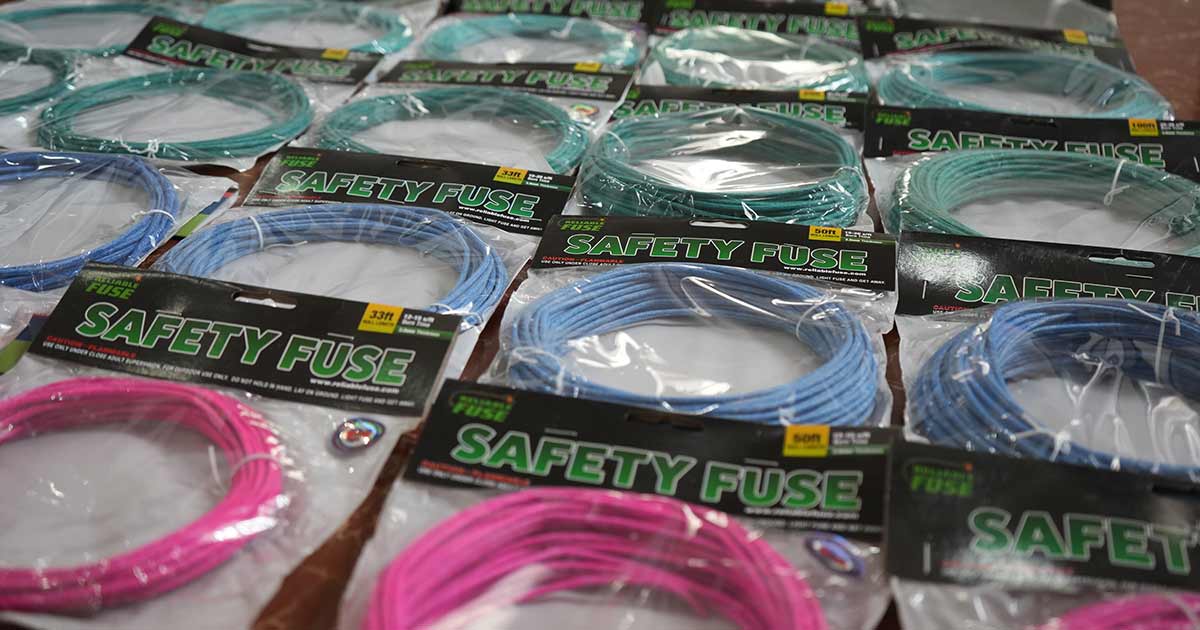
Start with a fuse you can actually trust. Check out our safety fuse and build your next project with confidence.