


Safety fuse gets overcomplicated fast.
Somewhere between “it’s just fuse” and “don’t mess this up,” things start to feel way more serious than they need to be. Suddenly it seems like there’s a right way, a wrong way, and a secret rulebook you somehow missed.
That hesitation is common. It’s also totally unnecessary.
Here’s the honest truth: if you can cut fuse and light it, you already know how to use safety fuse. Everything else is just small variations on that same basic idea.
This guide walks through the simple, no-nonsense ways people actually use safety fuse, especially when they’re just getting started. No massive setups. No pressure. And definitely no overthinking.
What You Actually Need to Get Started
Let’s keep this grounded.
To use safety fuse, you need:
- Safety fuse (obviously)
- Something to cut it with
- Something to light it with
You don’t need a lab coat, a complicated plan, or a confidence level of 100. If you’re brand new, starting small is not only fine, it’s smart. The fuse doesn’t care how experienced you feel. It just burns.
Beginner-Friendly Ways to Use Safety Fuse (Without Making It Weird)
1. Light a Single Firework
This is the “hello world” of fuse.
One firework. One length of fuse. No chains, no timing tricks, no stress. Cut the fuse, attach it, light it, step back.
More importantly, this simple setup teaches you everything that matters early on. You’ll see the burn rate, feel the timing, and get comfortable with distance. That’s real learning, not theory.
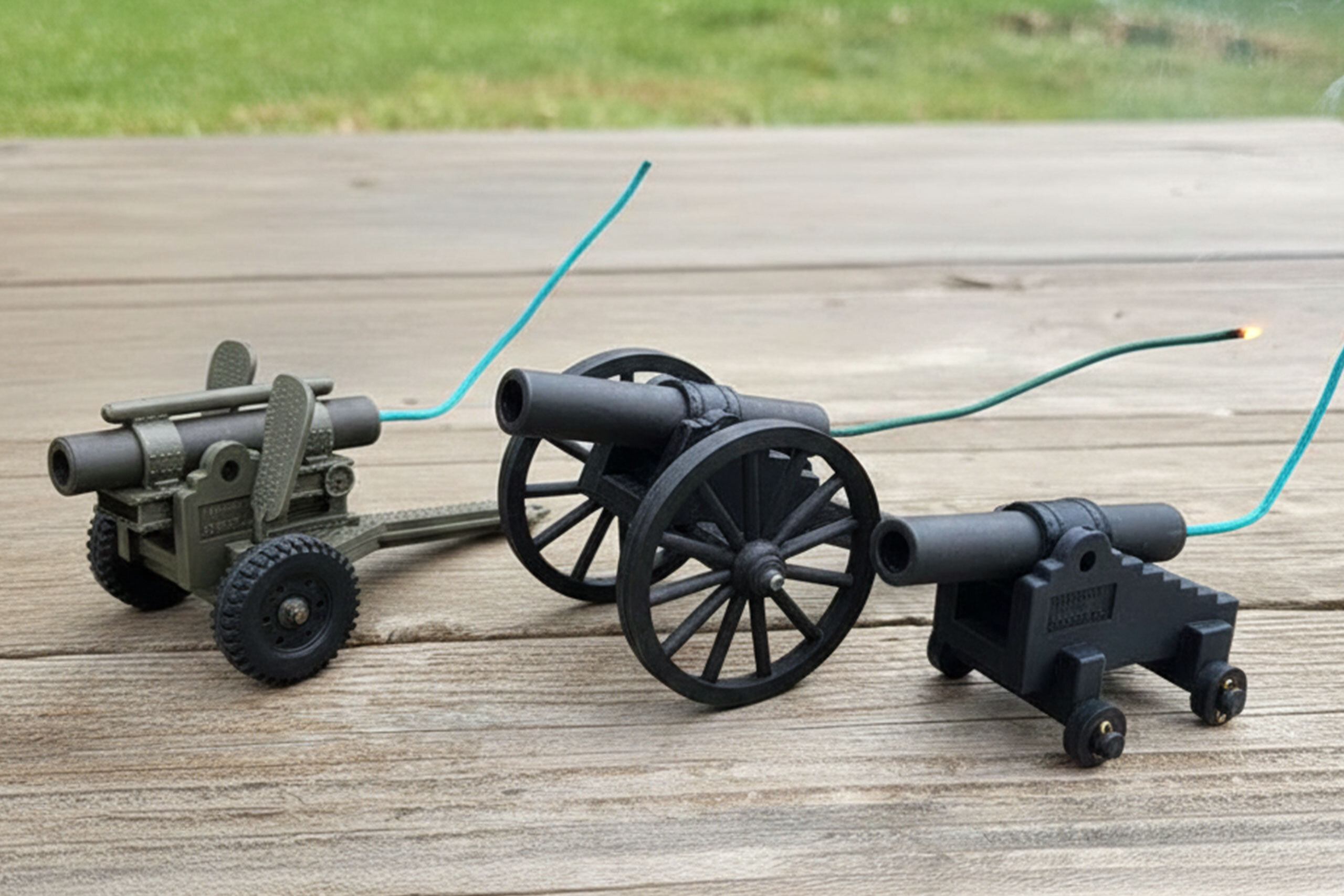
2. Use Safety Fuse with Mini Black Powder Cannons
Cannons are oddly great for beginners.
You insert the fuse, light it, and the cannon does its cannon-y thing. There’s no guessing whether it worked, and there’s no complicated sequencing to manage.
Because of that, cannons are a fun, low-effort way to use safety fuse when you want something straightforward and very obvious when it goes right.
3. Extend a Short Fuse
This is one of the most common, practical uses for safety fuse.
Sometimes the fuse that comes with something is just… not enough. It burns too fast, feels rushed, or leaves you thinking, “Why am I standing this close?”
In those moments, adding safety fuse gives you more time and more space. That extra breathing room makes a noticeable difference, especially when you’re still getting comfortable.

4. Create More Distance (Because Distance Is Your Friend)
Longer fuse means more time. More time means less rushing.
Using safety fuse to increase distance between lighting and effect is one of those things people appreciate immediately after trying it. Before that, it’s easy to underestimate how helpful it is not to feel hurried.
As a result, setups feel calmer, more controlled, and a lot more enjoyable.
5. Practice Burn Rate Without Building Anything
You don’t need a full setup to learn how fuse behaves.
Instead, try cutting a few different lengths and lighting them individually. Watch how long each one burns. That’s it. No fireworks required.
This low-pressure practice is one of the easiest ways to build confidence with safety fuse. Later on, when timing matters more, you’ll already have a feel for it.
6. Connect Two Effects (Just Two)
Not a full chain. Not a masterpiece. Just two effects.
Connecting one effect to another introduces sequencing in a manageable way. It’s a clean next step once the basics feel comfortable, without turning your setup into a full project.
If you can link two things together with safety fuse, you’re already doing more than most beginners expect to.
7. Use Proper Fuse Connectors Instead of Guessing
Yes, people improvise. And yes, tape has been used many times before.
Still, proper fuse connectors make everything easier. They’re cleaner, faster, and remove a lot of the “hope this works” feeling from the process.
When you’re learning how to use safety fuse, good connectors help you focus on what you’re doing instead of worrying about whether it’ll hold.

8. Test Your Setup Before It Actually Matters
Testing isn’t overkill. It’s just being prepared.
Running a quick test with safety fuse lets you see burn time, spacing, and timing before there’s any pressure. Even small tests can reveal things you’d rather learn early.
As it turns out, people who test once tend to enjoy things more later. Funny how that works.
9. Keep It Small and Casual
Not every use needs a crowd, a countdown, or a big reason.
Birthdays, holidays, or random backyard moments are all perfect opportunities to use safety fuse in a relaxed way. Low-stakes setups are where confidence grows naturally.
You don’t need a big event to learn how this works.
10. Learn What Not to Do (Everyone Does This Once)
Too short. Too rushed. Overcomplicated for no real reason.
Everyone makes at least one beginner mistake when using safety fuse. That’s part of the process, not a failure.
Thankfully, simple setups make those mistakes obvious and easy to fix next time.
How to Choose Safety Fuse Without Spiralling
If you’re new, here’s the rule: get more than you think you need.
Longer fuse gives you flexibility. You can always cut it shorter. Once it’s lit, though, adding length is not an option.
Starting with something forgiving makes the learning curve much smoother. Choosing safety fuse doesn’t need to be a philosophical exercise.
Simple Beats Fancy
Most people don’t avoid fuse because it’s difficult. They avoid it because they think it’s difficult.
Start with one simple way to use safety fuse. Try it once. Watch how it behaves. Suddenly, the rest makes a lot more sense.
You don’t need to master everything on day one. You just need that first experience.
Ready to get started?
We’ve got safety fuse, connectors, and all the basics to help you keep things simple and actually enjoy the process.